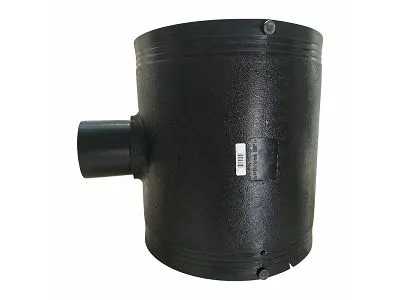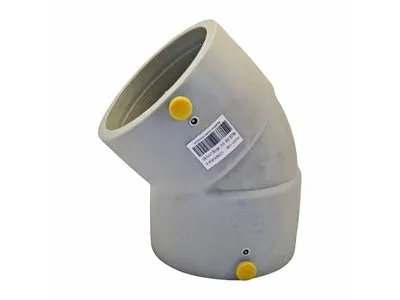

A Comprehensive Guide to Electrofusion Joint Welding is Here!
Preparation:
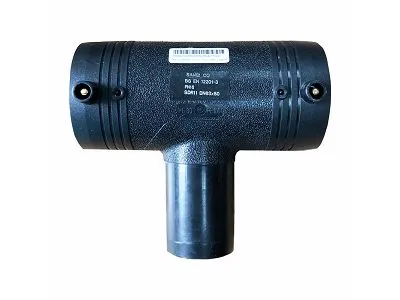
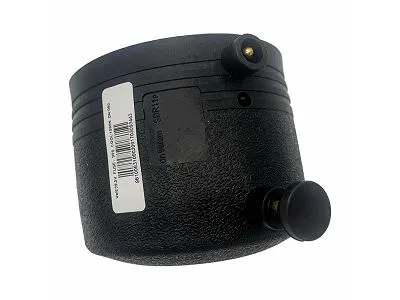
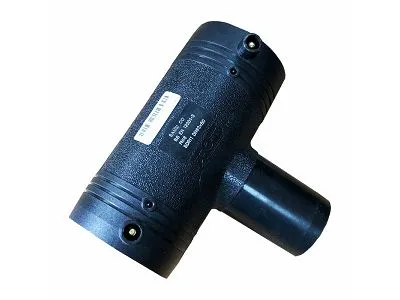
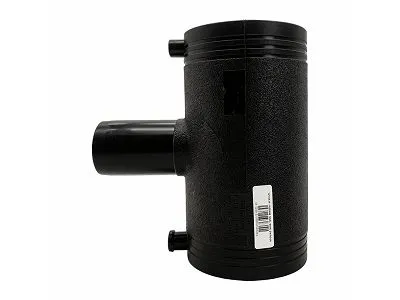
Material Inspection: Electrofusion fittings, pipes, and auxiliary materials are all essential. Details determine success or failure; say goodbye to cracks and burrs!
Equipment Debugging: Electrofusion welding machine and auxiliary tools must be thoroughly inspected. Voltage and power must be precisely set; safety first!
Operating Conditions: Environmental and personnel qualifications must be carefully controlled. -5℃ to 45℃ is the optimal temperature. A special equipment welding operation certificate is required for worry-free construction!
Operation Procedure:
Pipe Pre-treatment: Measurement, cutting, oxide layer removal, cleaning, and drying-each step requires meticulous operation. Vertical cutting is crucial!
Assembly and Positioning: Mark the insertion depth. Socketing should be done gently. Temporary fixation must be secure; eccentricity? Not a problem!
Welding Parameters: Scan the QR code or consult the parameter table. Ambient temperature and pipe diameter must be considered for precise welding!
Welding Operation: Weld with electricity, hold pressure and cool. When the time is up, the joint is stable, and success is in sight!
Quality Control Section:
Process Inspection: Appearance, dimensions, and destructive testing – nothing is overlooked to ensure top-notch joint quality!
Common Defects: Incomplete inspection of the observation hole, surface carbonization, and interface leakage – countermeasures are in place for easy handling!
Acceptance Standards: Hydrostatic testing and third-party inspection provide double assurance for safety and peace of mind!
Don't forget safety precautions and finished product protection! Construction records are archived for 5 years – better safe than sorry!