
Two Basic Electrofusion Connection Methods
Electrofusion joints are like performing 'welding surgery' on pipes. There are two main methods:
Butt Connection: The ends of two pipes are aligned flat and then fused together using an electrofusion sleeve. Suitable for straight pipe connections.
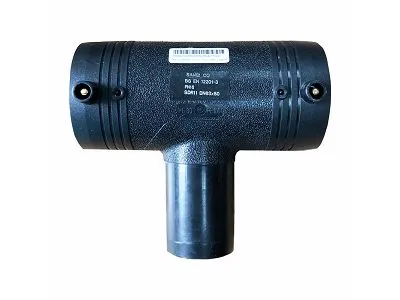
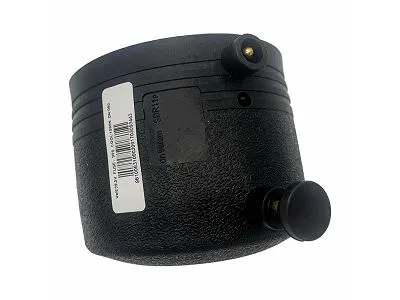
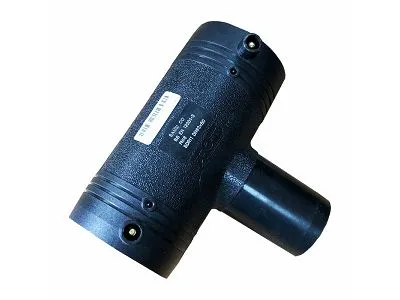
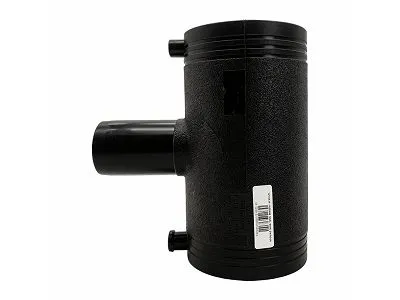
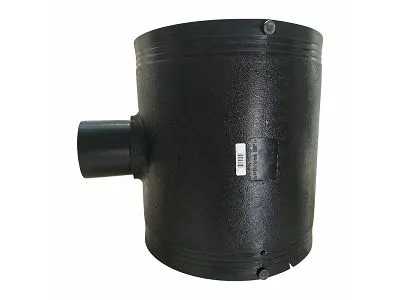
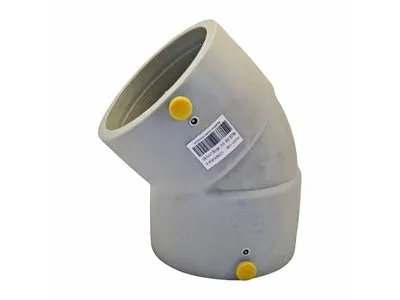
Socket Connection: The pipe is inserted into a special electrofusion fitting with a resistance wire. Heating after applying electricity creates a seal. Suitable for corner or branch connections.
The key difference is that butt connections require cutting and smoothing the pipe ends, while socket connections have relatively less stringent requirements for the pipe end faces.
Complete Operation Steps
The specific operation of the two connection methods is like a cooking recipe; every step is essential:
Butt Connection Process:
Mark the pipe insertion depth
Cut the pipe end flat with a special tool
Clean the connection surface and install the clamp
Heat to a molten state
Maintain pressure and cool until solidified
Socket Connection Process:
Measure and mark the insertion position
Scrape off the oxide layer on the pipe
Apply a special guide agent
Insert the fitting and apply power
Let it cool naturally to avoid movement
Selection and Precautions
Choosing the connection method according to the scenario is like choosing the right shoes:
Butt connection is preferred for underground direct-buried pipes due to its higher strength
Socket connection is used when space is limited, requiring 30% less operating space
Extend the cooling time by 20% during winter construction
Dry the connection area first in humid environments
The power parameters must match the pipe specifications; too high a power will cause scorching, while too low a power will result in insufficient fusion.