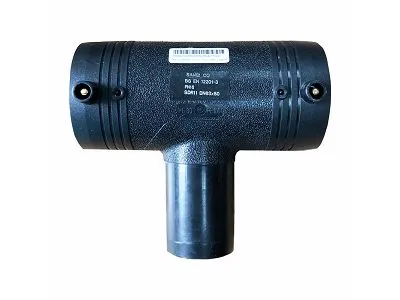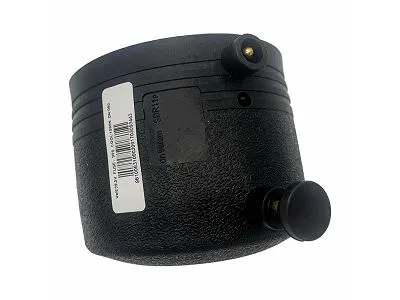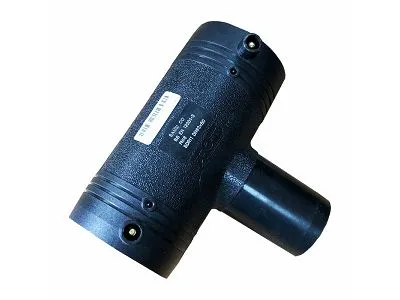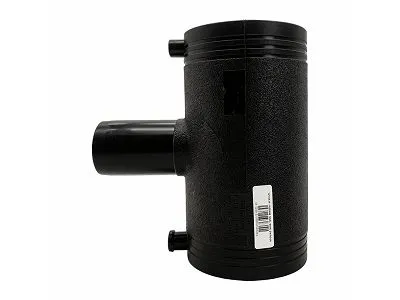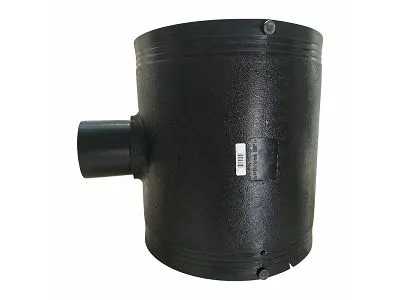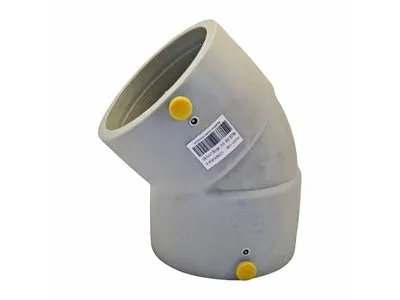

The most common connection method for PERT pipes and fittings is butt fusion welding. This method has the following advantages: it eliminates the need for electrofusion fittings, reducing project costs; and it simplifies machine and tool maintenance. Butt fusion welding utilizes a butt welding machine, where the welded joint is fixed and connected by cooling. PERT pipe and fitting welding generally involves three stages: heating, switching, and butt welding.
Welding Process Introduction
Material Preparation: The roundness of the pipes used for welding fittings should exceed the standard value. A 10-20mm cutting allowance should be left during cutting.
Fastenance: For PE-RT pipe connections, the two pipes to be welded should be placed on a flat surface and clamped according to the welding fitting. Replace the base clamps, select appropriate slips, and ensure the welded pipe section is properly clamped before cutting.
Cutting: Remove impurities and oxide layers from the end faces of the welded pipe sections, ensuring both joint end faces are smooth and flat.
Alignment: The misalignment between the two welded pipe sections should be minimized. Large misalignments can lead to stress concentration. Misalignment should not exceed 10% of the wall thickness.
Heating: Ensure sufficient molten material to allow molecular diffusion during fusion butt welding.
Conversion: The period from the end of heating to the start of fusion butt welding is called the conversion period. For optimal fusion butt welding quality, the shorter the period, the better.
Hot-melt butt welding: This is the critical step in the welding process.
Cooling: Due to the poor thermal conductivity of plastic materials, the cooling rate is correspondingly slow. Weld material shrinks, and the structure formation process is slow over a longer period. Therefore, weld cooling must be carried out under certain pressure.