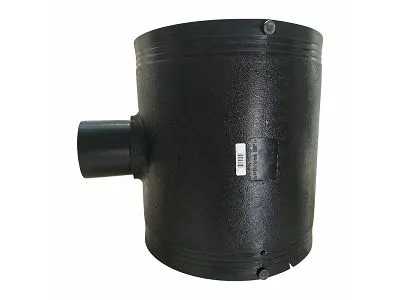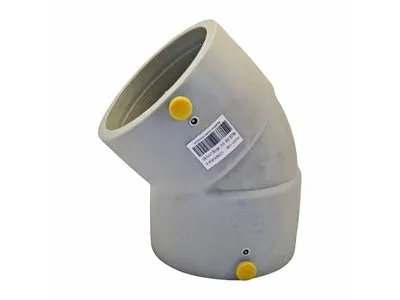

Material Differences Between PERT and Copper
PERT (heat-resistant polyethylene) is a high-temperature resistant member of the plastics family, with a melting point of approximately 120-140℃, while copper has a melting point as high as 1083℃. The two are like ice cream and iron-one is heat-sensitive, the other heat-resistant. When directly fused, PERT would have already vaporized and decomposed, while copper would not even begin to soften.
Feasible Connection Solutions
While direct fusion is not feasible, engineers have clever solutions:
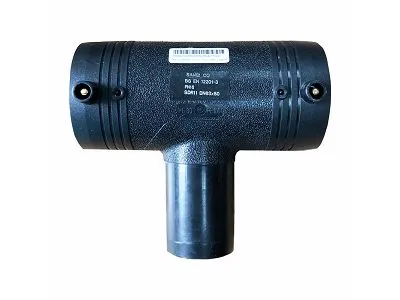
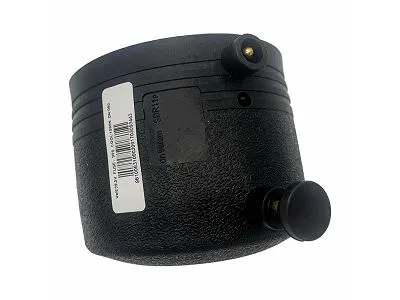
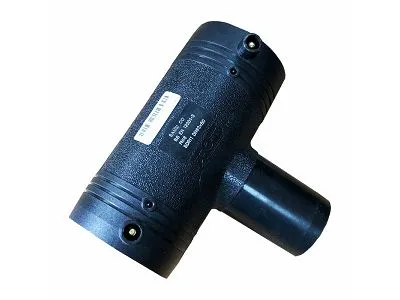
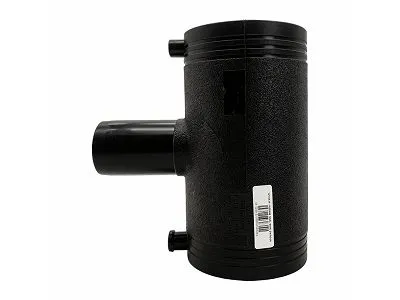
Transition Joints: Use PERT fittings with copper inserts, achieving a seal through mechanical crimping.
Heat-Melt Flanges: Heat-melt a plastic flange at the PERT end, then bolt it to the copper flange.
Adhesive Technology: Special conductive adhesive provides stable bonding at temperatures below 80℃.
Application Scenarios and Precautions
PERT and copper pipes are commonly used together in hot and cold water systems, but the following should be noted:
Temperature variations can cause differences in the expansion coefficients of the two materials (PERT's expansion rate is 10 times that of copper).
Electrochemical Corrosion Risk: Insulating gaskets are required to prevent contact between copper and PERT.
For operating pressures exceeding 1.6 MPa, all-metal connections are recommended.