
What is an electrofusion welding machine?
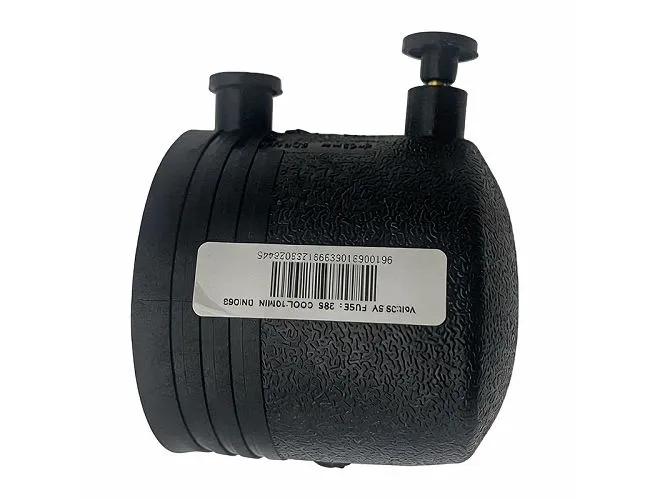
An electrofusion welding machine is like a "stitcher" in the metalworking world, using electric current to generate high temperatures that melt materials and achieve seamless connections. It is specifically designed for thermoplastic materials such as polyethylene. During operation, it converts 220V AC power into precisely controlled heat energy, allowing the joint to melt and then naturally cool and solidify. This process is particularly suitable for sealing connections in gas pipelines and water supply and drainage systems, providing a stronger bond than traditional adhesives and a better leak-proof seal than mechanical clamps.
Three Core Application Scenarios
Pipeline Engineering: In municipal water supply networks, electrofusion welding machines can complete the molecular-level fusion of two PE pipe fittings within 3 minutes, with the connection strength even exceeding that of the pipes themselves.
Container Repair: When chemical storage tanks develop cracks, electrofusion welding can repair them with localized heating, avoiding the high cost of replacing the entire tank.
Irregular Part Processing: Through customized molds, complex interfaces such as flanges and tees can be welded, solving the problem of secondary processing of injection molded parts.
Golden Rules for Safe Operation
Use with the same caution as a microwave oven:
Keep the work area dry; a damp environment can easily lead to abnormal current.
Pipe openings must be thoroughly cleaned; oil stains will form an insulating layer, affecting the fusion quality.
Wear heat-resistant gloves; the temperature of molten material can reach over 200℃.
Do not move the workpiece during cooling; natural solidification ensures molecular structural stability.