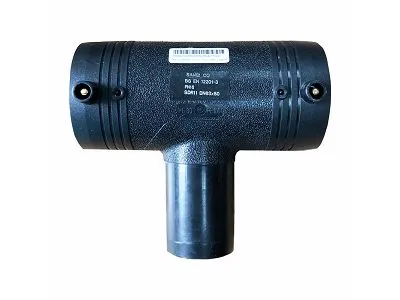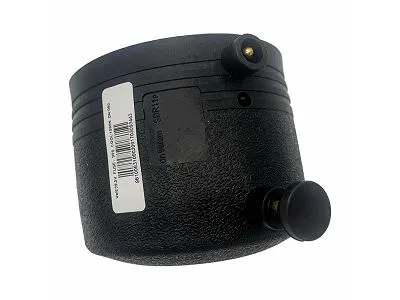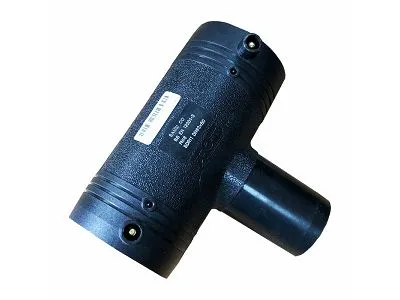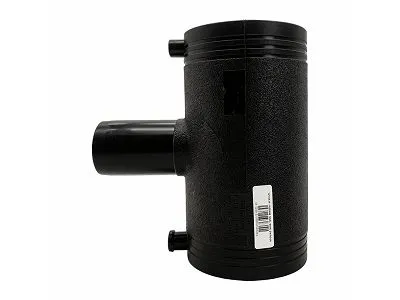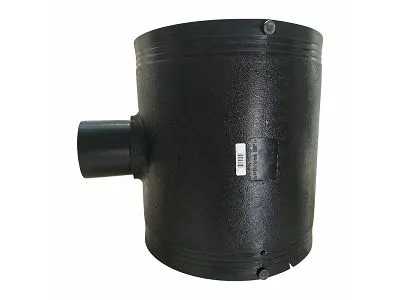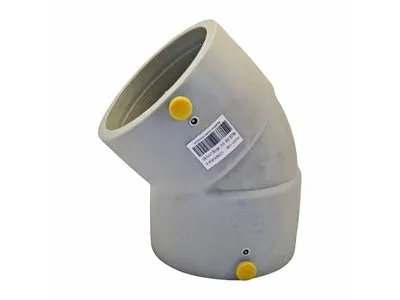

In home renovation, PPR pipe fittings have become the primary choice for hot and cold water systems due to their superior performance. PPR pipe fittings are not only environmentally friendly and resistant to temperature and pressure, but also easy to install and have a long service life. However, with numerous specifications and models of PPR pipe fittings on the market, choosing the right size becomes a crucial issue. This guide will detail the methods for selecting the right size PPR pipe fittings for home renovation, helping you easily solve your home plumbing problems.
Understanding the Basic Parameters of PPR Pipe Fittings The basic parameters of PPR pipe fittings mainly include pipe diameter and wall thickness. Pipe diameter determines the water flow rate, while wall thickness relates to the pressure resistance and service life of the fitting. Commonly used PPR pipe fitting diameters in home renovation include 20mm, 25mm, and 32mm, while wall thickness varies depending on the pipe series, such as the S3.2 and S2.5 series. Understanding these basic parameters will help you choose the appropriate PPR pipe fittings based on your actual usage needs.
Selecting the Pipe Diameter Based on the Usage Scenarios When selecting PPR pipe fittings, the first consideration should be the usage scenario. For the main water pipe entering the house, it is generally recommended to use PPR pipes with a diameter of 25mm or larger to ensure sufficient water flow. For branch water points such as sinks, toilets, and showers, 20mm PPR pipes are sufficient. It is also necessary to consider potential future additions of water-using equipment and allow for upgrades.
Pay Attention to the Wall Thickness and Quality of PPR Pipe Fittings
The wall thickness of PPR pipe fittings directly affects their pressure resistance and service life. For the same pipe diameter, thicker fittings have stronger pressure resistance. However, thicker walls are not always better; excessively thick walls increase costs and may affect installation convenience. Therefore, when choosing PPR pipe fittings, the wall thickness should be selected reasonably based on actual usage needs and budget. At the same time, pay attention to choosing reputable brands and reliable quality PPR pipe fittings to ensure safe use.
Comprehensive Consideration of Installation and Subsequent Maintenance
When selecting the size of PPR pipe fittings, the ease of installation and subsequent maintenance should also be comprehensively considered. For example, when transporting hot water over long distances, larger diameter PPR pipes may be needed to reduce heat loss; conversely, in areas with limited installation space, more compact fittings are required to minimize space occupation. Furthermore, the connection method for PPR pipe fittings is also a factor to consider. Heat fusion connection is widely used due to its simplicity and tightness, but special attention must be paid to low-temperature brittleness during winter installations.
In summary, selecting the appropriate size of PPR pipe fittings for home decoration requires comprehensive consideration of multiple factors. By understanding basic parameters, selecting pipe diameter based on the usage scenario, paying attention to wall thickness and quality, and considering the ease of installation and subsequent maintenance, you can easily select PPR pipe fittings that meet your needs while remaining economical and practical.